Book Online
Repairs, Maintenance & ReplacementCable Repair & Replacement
Repair damaged cables and hinges to restore balance and safety. Dealing with a broken garage door cable can be a frustrating experience for any homeowner. Understanding the signs of a broken garage door cable and knowing when to repair or replace it is crucial for maintaining the functionality of your garage door.
What Are the Signs of a Broken Garage Door Cable?
Identifying a broken garage door cable early can prevent further damage and potential accidents.
Signs that the cable may be broken or weakened include:
-
Visible fraying or damage to the cable itself
-
The garage door doesn’t lift evenly
-
Unusual sounds during operation
-
The cable has unwound from the drum
-
The cable appears loose
It’s essential to regularly inspect your garage door components, as a cable that is fraying may weaken the overall system, leading to a garage door with a broken cable. If the cable has unwound from the drum or is loose, it’s a clear signal that repair or replacement is necessary. Professional garage door repair services can assess and confirm if the cable is indeed broken.
What Happens When a Garage Door Cable Breaks?
Consequences of a broken cable may include:
-
Sudden slamming of the door, posing a safety risk
-
Damage to other parts like springs or rollers
-
Costly repairs due to additional component failure
-
Increased risk of property damage or personal injury
-
Exacerbation of the issue if the door continues to operate
It’s important to remember that trying to operate a garage door with a broken cable can make the problem worse, making immediate repair essential for any homeowner.

Steps to repair a broken cable:
-
Ensure the door is fully closed before starting
-
Gather tools: wrench, safety cable, replacement cable
-
Detach the broken cable from the drum
-
Carefully release spring tension to prevent injury
-
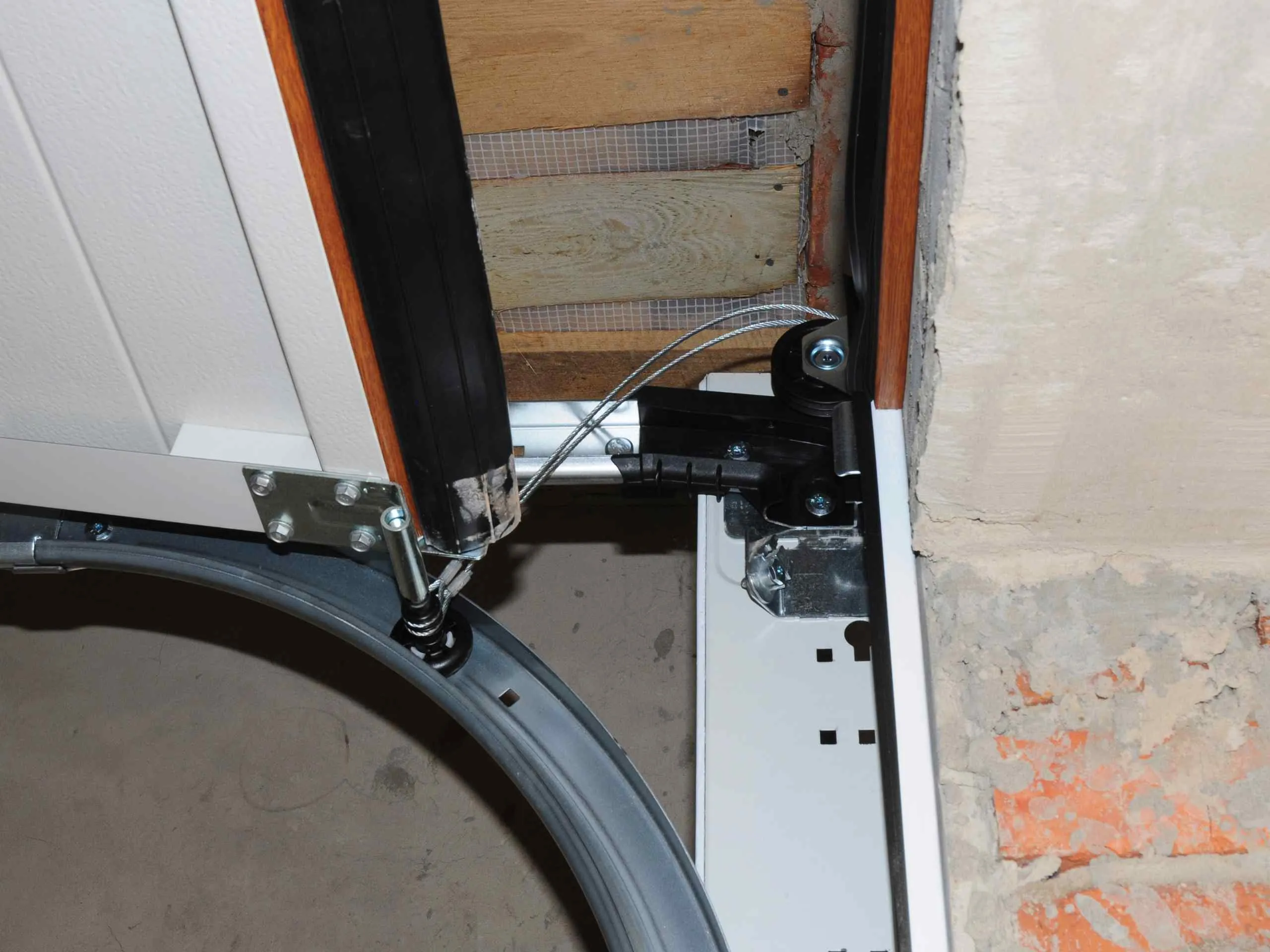
Thread the new cable through the pulley system
-
Secure and test the garage door for smooth operation
-
Call a professional if unsure about any step
If you’re not comfortable with the repair, consulting a professional garage door technician at #1 Garage Door is advised.
When Should You Replace Your Garage Door Cable?
Signs it’s time to replace the cable:
-
Visible fraying, rust, or breaks
-
Uneven or unbalanced garage door movement
-
Frequent tension adjustments required
-
Noisy operation suggesting worn parts
-
Cable appears aged or brittle
Regular maintenance checks can help identify these signs before they evolve into more significant issues.
Choosing Between Repair and Replacement
Factors to consider when deciding:
-
Level of wear — minimal wear may only require repair
-
Extent of fraying or visible damage
-
Age of the garage door system
-
Long-term reliability of a repaired cable
-
Advice from a professional technician
-
Cost comparison between repair and replacement
Weighing these points can lead to a more satisfactory and durable solution for your garage door needs.

What Types of Garage Door Cables Are Available?
Types of cables commonly used:
-
Lifting cables: Used in both torsion and extension spring systems
-
Safety cables: Prevent the door from crashing down if a lifting cable breaks
-
Torsion spring cables: Wound around a drum for controlled lifting
-
Extension spring cables: Run through pulleys for counterbalance
Understanding cable types ensures proper replacement and functional safety.
Choosing the Right Garage Door Cable for Your Needs
What to consider when selecting a cable:
-
Compatibility with your door type and spring system
-
Weight capacity needed for your specific door
-
Thickness and strength of the cable
-
Durability and material (e.g., galvanized steel)
-
Corrosion resistance and long-term performance
-
Purchasing from a reputable supplier
Proper fit and installation will prolong the lifespan of garage door components.
Understanding Garage Door Components: Cables, Springs, and More
Key garage door components include:
-
Cables: Connect door to spring mechanism, allowing for lifting
-
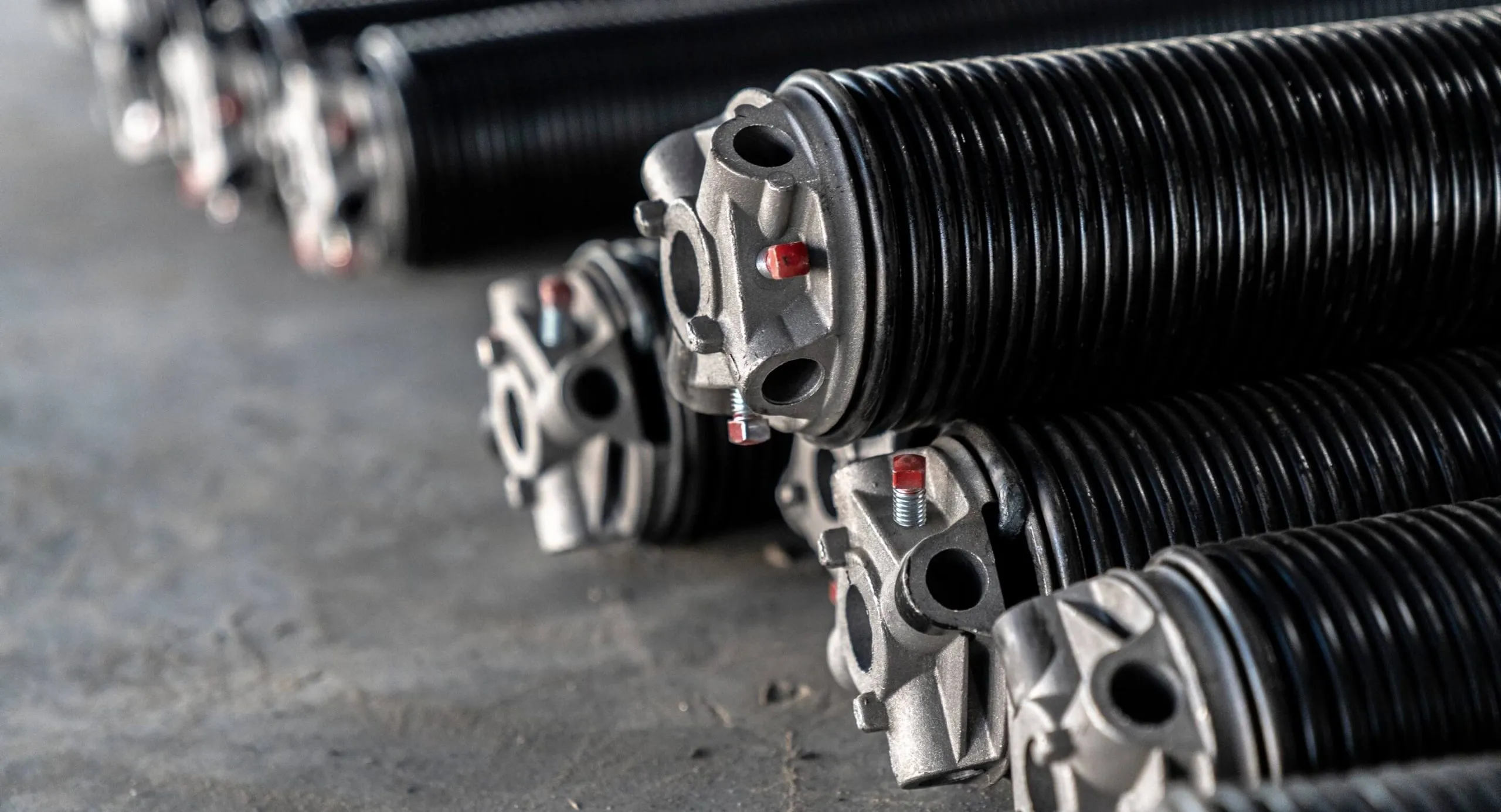
Torsion springs: Counterbalance the door’s weight
-
Extension springs: Stretch and contract to help raise/lower the door
-
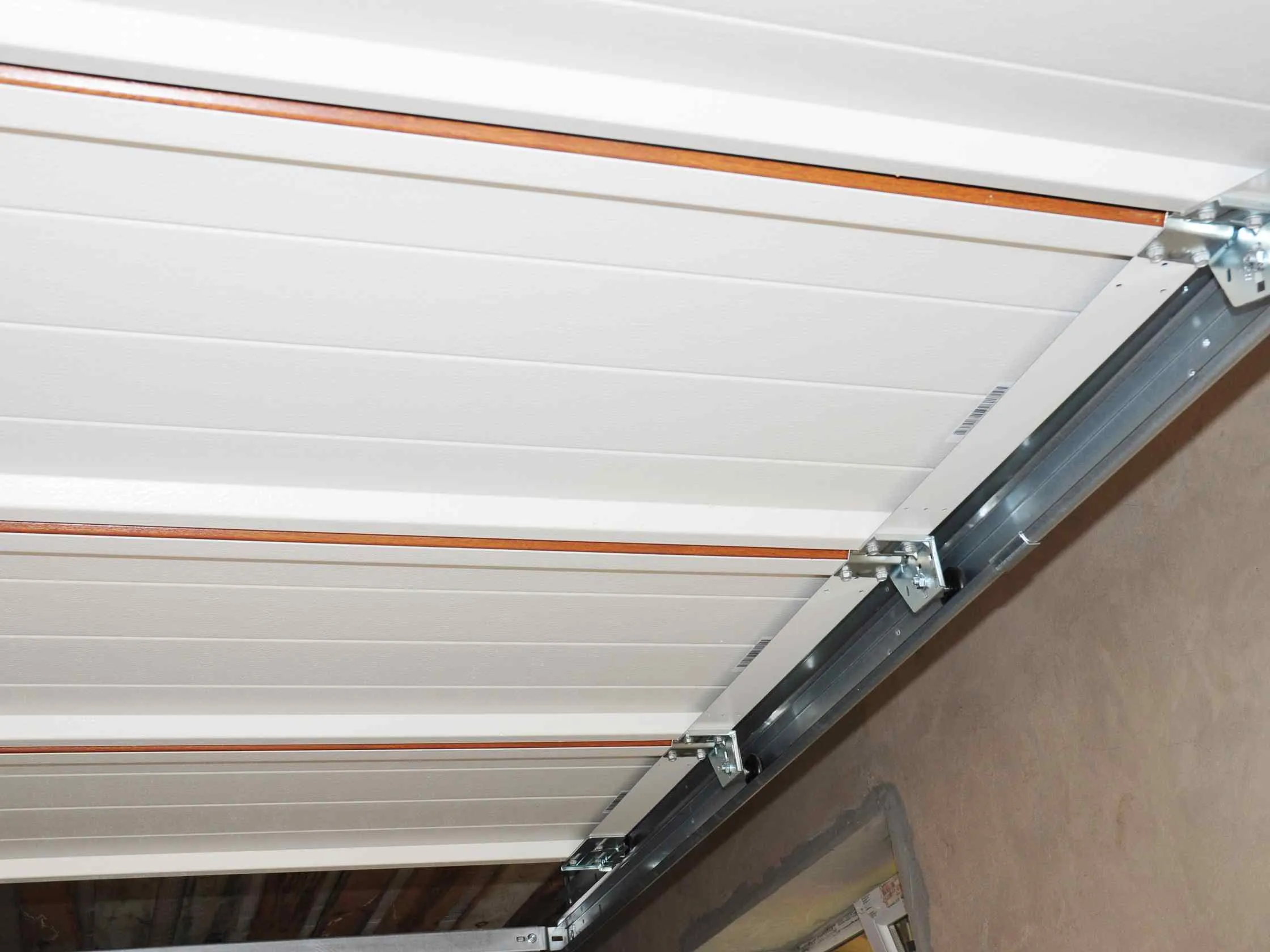
Rollers and tracks: Guide smooth movement
-
Drums and pulleys: Assist with balanced cable winding
Regular maintenance is vital to ensure each part functions correctly and safely.

Understanding the Relationship Between Garage Door Cables and Drums
Why cable and drum alignment matters:
-
Cables wind around drums to raise/lower the door evenly
-
Misaligned or loose cables cause uneven lifting
-
Improper winding may lead to unsafe door operation
-
Balanced cables prevent strain on other components
-
Regular inspection can avoid premature wear and costly repairs
Failing to maintain cable and drum alignment may result in time-consuming and potentially dangerous failures.
How the Garage Door Opener Works with Cables
How the opener and cables work together:
-
Opener activates the lifting system using cables
-
Worn or frayed cables may strain the opener motor
-
Poor cable condition can cause opener failure over time
-
Smooth cable function ensures opener efficiency
-
Preventive maintenance extends opener and cable lifespan
Regular checks help prevent issues and ensure safe, reliable operation of your garage door system.
Current Promotions