Book Online
Repairs, Maintenance & ReplacementGarage Door Preventative Maintenance
Keep your garage door running smoothly year-round with our comprehensive maintenance package designed to save you time and money.
Complimentary 30 point inspections
Our comprehensive 30-point inspection is designed to thoroughly assess every component of your garage door system. From the springs and cables to the tracks and rollers, we check for any signs of wear, damage, or misalignment. This detailed process helps identify potential issues early, preventing unexpected malfunctions and costly repairs. With our inspection, you can rest easy knowing your garage door is in peak condition.

Annual tune-ups
An annual tune-up is essential to keep your garage door running smoothly and efficiently. During this service, we lubricate moving parts, tighten hardware, adjust spring tension, and ensure all components are functioning optimally. Regular tune-ups help prevent wear and tear, minimize the risk of unexpected breakdowns, and extend the lifespan of your garage door. It’s a proactive way to maintain reliability and save money on costly repairs.

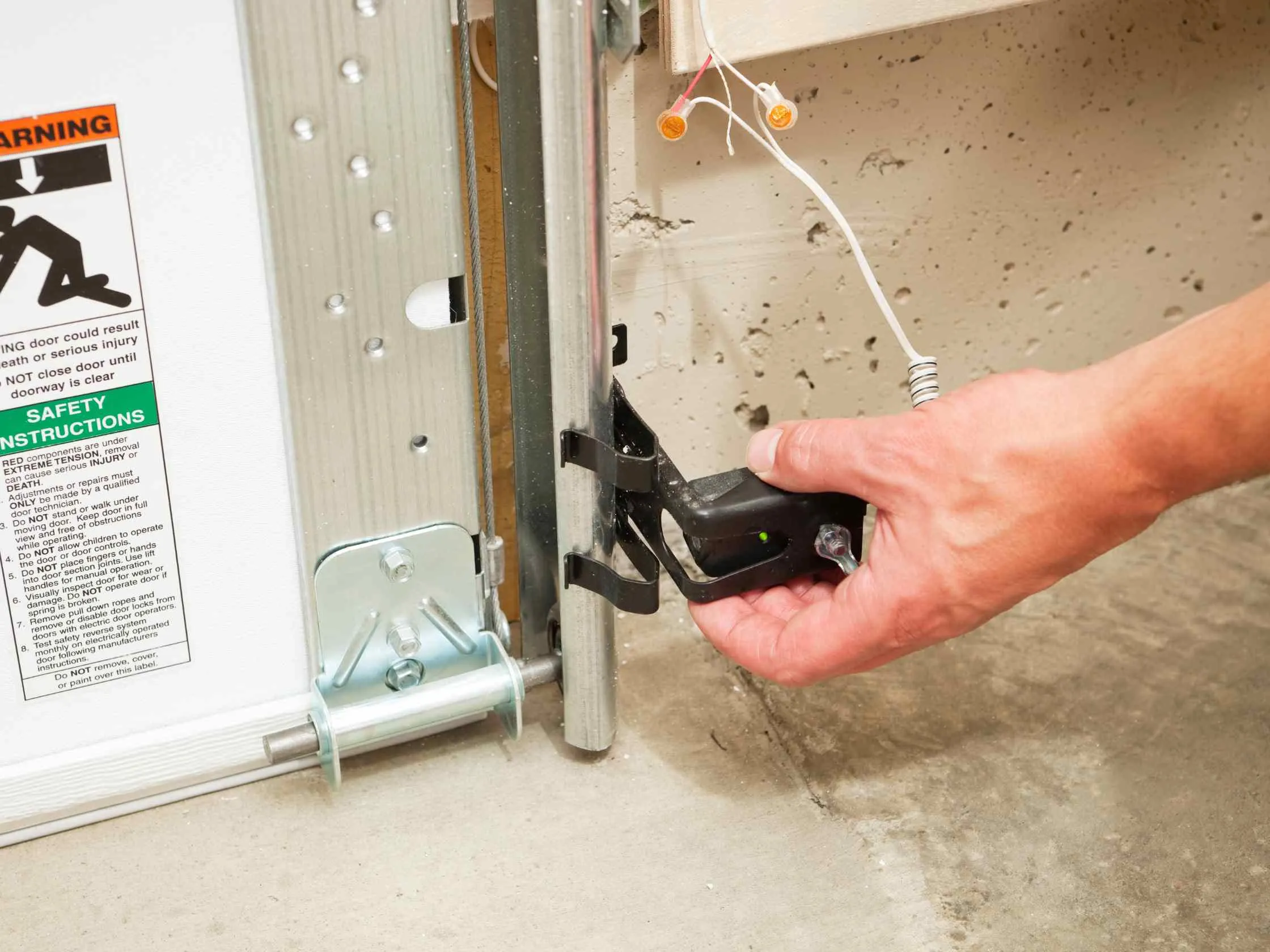
Safety sensor adjustments
Safety sensors are a critical component of your garage door system, protecting your family, pets, and belongings from accidents. During a safety sensor adjustment, we test and calibrate the sensors to ensure they are properly aligned and functioning correctly. This service ensures your garage door stops and reverses as it should when an obstruction is detected, providing you with the peace of mind that your system is safe and reliable.
Preventative Maintenance Every 30 Days
1. Inspect Hardware
- What to do: Check the door’s tracks, rollers, and hinges for any signs of wear, rust, or damage. Tighten any loose screws, bolts, or fasteners.
- How often: Perform a visual inspection every month.
2. Check Safety Features
- What to do: Test the reverse mechanism and photo-eye sensors. To test the reverse feature, place a small object (like a block of wood) in the door’s path. The door should reverse direction if it touches the object. For the photo-eye sensors, align them properly and ensure they are not obstructed.
- How often: Test the safety features every month.
3. Check the Openers Response
- What to do: Test the door opener’s response time and ensure it operates quietly without jerking or sudden stops. If the motor is excessively noisy, it may need maintenance.
- How often: Inspect and test the opener every month
Preventative Maintenance Every 3 - 6 Months
1. Lubricate Hinges
- What to do: Lubricate the hinges where the door panels meet. These moving parts are subjected to stress and friction, so keeping them lubricated ensures smooth movement.
Tip: Spray or apply lubricant to the hinge pivots where the metal parts touch.
2. Lubricate Rollers
- What to do: While you don’t want to lubricate the inside of the tracks (to avoid attracting dirt), you can lubricate the roller wheels that travel along the tracks. This reduces friction and allows the door to move more easily.
Tip: Spray a small amount of lubricant on the roller wheels, not directly into the track.
3. Lubricate Torsion Springs
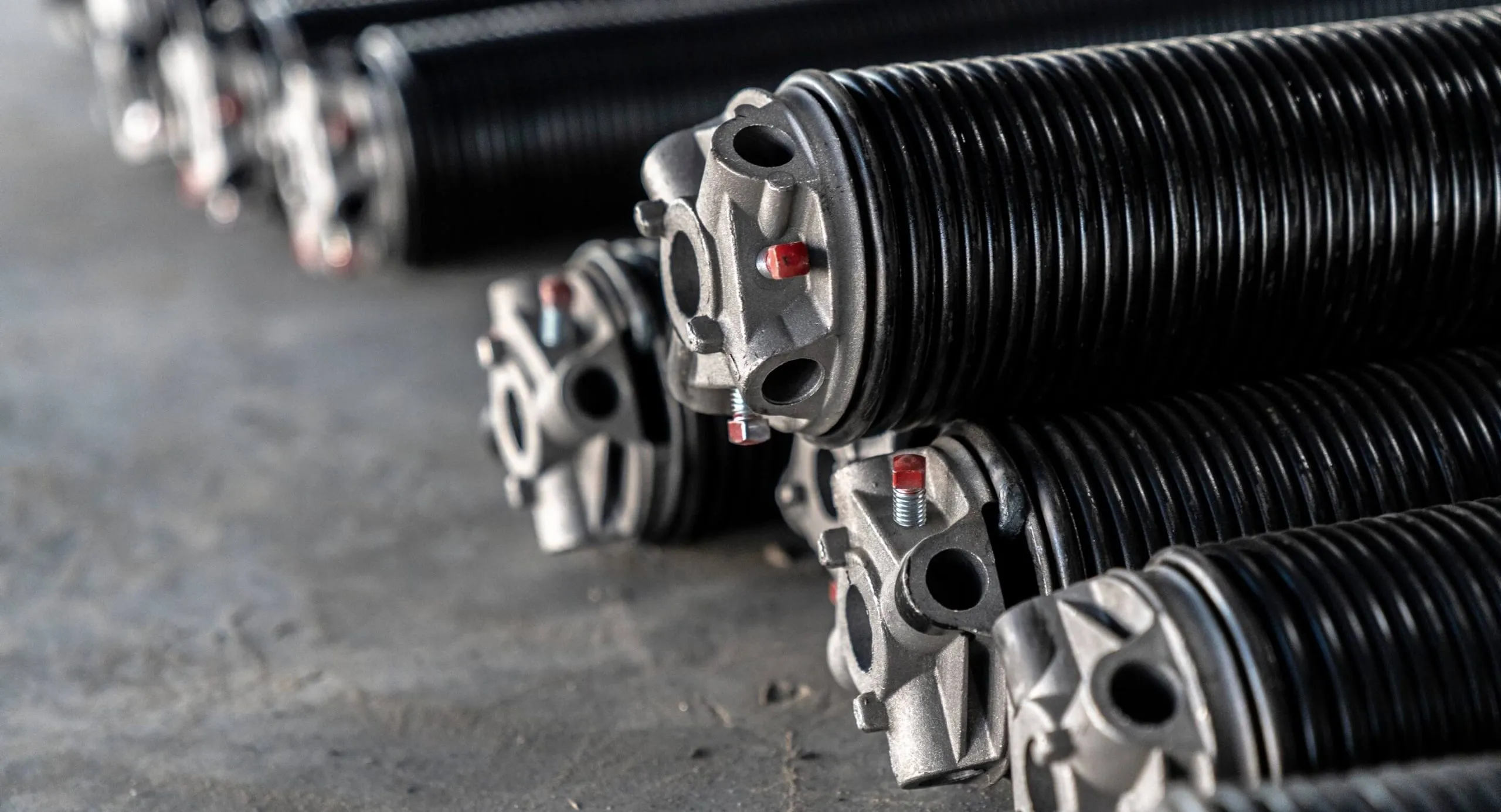
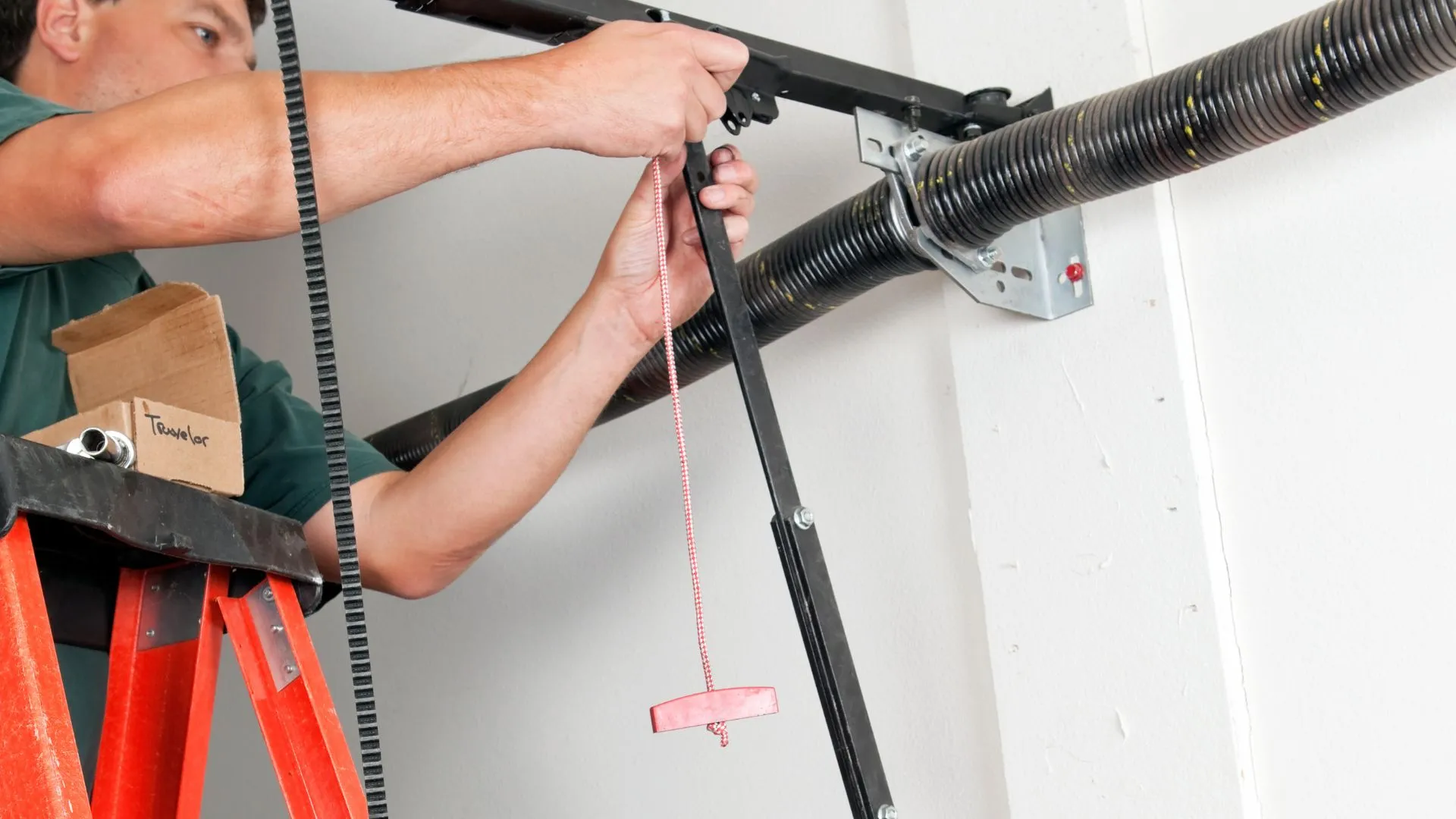
- What to do:Apply a small amount of lubricant to the torsion springs (the long springs above the door). These springs are under significant tension and should be lubricated to ensure smooth operation and prevent rust.
Tip: Only apply a light coating of lubricant to the springs.
4. Lubricate Extension Springs
- What to do: Similar to torsion springs, extension springs (located along the sides of the door) need lubrication to keep them functioning properly.
Tip: Lubricate the entire length of the springs, but don’t overdo it.
5. Lubricate the Chain or Belt
- What to do: If your garage door opener uses a chain or belt, lubricate it periodically to keep it running smoothly. This helps to reduce noise and friction.
Tip: Use a lubricant specifically designed for garage door openers or a light grease. Avoid applying too much, as it can attract dust.
6. Cable Drums
- What to do: These are the drums at each side of the garage door that hold the cables. Lubricate them to ensure the cables move smoothly.
Tip: Lightly lubricate the drum’s shaft to reduce friction.
7. Lubricate Lock Mechanisms
- What to do: If your garage door has a lock, lubricate the locking mechanism to ensure smooth operation and prevent rusting.
Tip: A small amount of silicone spray works well for locks.
8. Clean The Tracks
- What to do: Dirt, debris, and buildup can hinder the smooth movement of the door. Wipe the tracks with a clean cloth and use a vacuum or a soft brush to remove debris.
Preventative Maintenance Every 6 - 12 Months
1. Check the Door Balance
- What to do: Disconnect the opener and manually and test the door balance at the 3 points of balance. If it stays in place, the door is balanced. If it moves up or down on its own, the springs may need adjustment.
What to watch for:
- If the door slides up on its own, the springs are too tight, or the door is too light for the springs.
- If the door falls down or moves downward, the springs may be too loose, or the door could be too heavy for the current spring tension.
2. Check the Springs
- What to do: Inspect the tension of the springs to ensure they are not stretched, broken, or worn. Garage door springs carry a lot of tension and can be dangerous to handle, so it’s advisable to call a professional if they appear damaged.
- How often: Check the springs at least twice a year.
3. Check the Weatherstripping
- What to do: Look for any cracks or damage in the weatherstripping along the bottom of the door, which can lead to drafts, energy loss, or water infiltration.
- How often: Inspect the weatherstripping every 6 months and replace as necessary.
4. Check Safety Features
- What to do: Test the reverse mechanism and photo-eye sensors. To test the reverse feature, place a small object (like a block of wood) in the door’s path. The door should reverse direction if it touches the object. For the photo-eye sensors, align them properly and ensure they are not obstructed.
5. Inspect the Cables
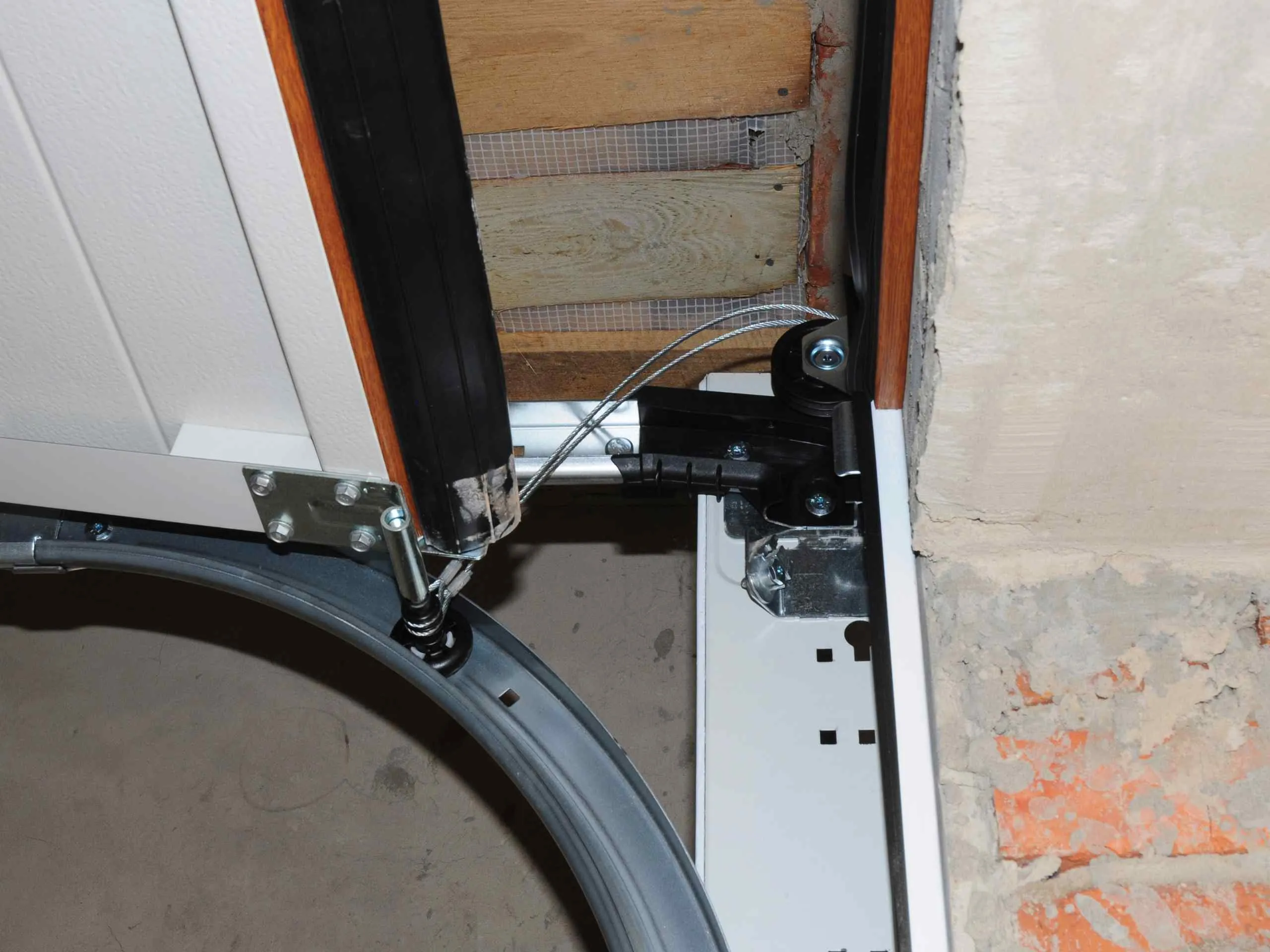
- What to do: Examine the lift cables for wear and fraying. Cables that appear damaged should be replaced.

Preventative Maintenance Once A Year
1. Perform a Thorough Inspection of all Components
Springs:
- What to inspect: Check both the torsion springs (located above the door) and extension springs (on either side of the door). Look for signs of wear, rust, or damage. Springs under tension should not show signs of stretching, breaking, or gaps.
- Why it matters: Springs are responsible for counterbalancing the weight of the door. Worn or damaged springs can cause the door to become unbalanced, putting excessive strain on the opener and increasing the risk of failure.
Rollers:
- What to inspect: Examine the rollers for any cracks, wear, or damage. Check whether they are still securely attached and moving smoothly in the tracks. Rollers should spin freely without wobbling or grinding.
- Why it matters: Rollers allow the door to move smoothly along the tracks. Damaged or worn-out rollers can cause the door to operate unevenly, leading to strain on the opener and other components.
Hinges:
- What to inspect: Look for any broken, bent, or worn-out hinges. Ensure all hinges are properly attached and operating smoothly when the door moves.
- Why it matters: Hinges are responsible for the door’s flexibility. Broken or loose hinges can cause the door to sag or get stuck.
Tracks:
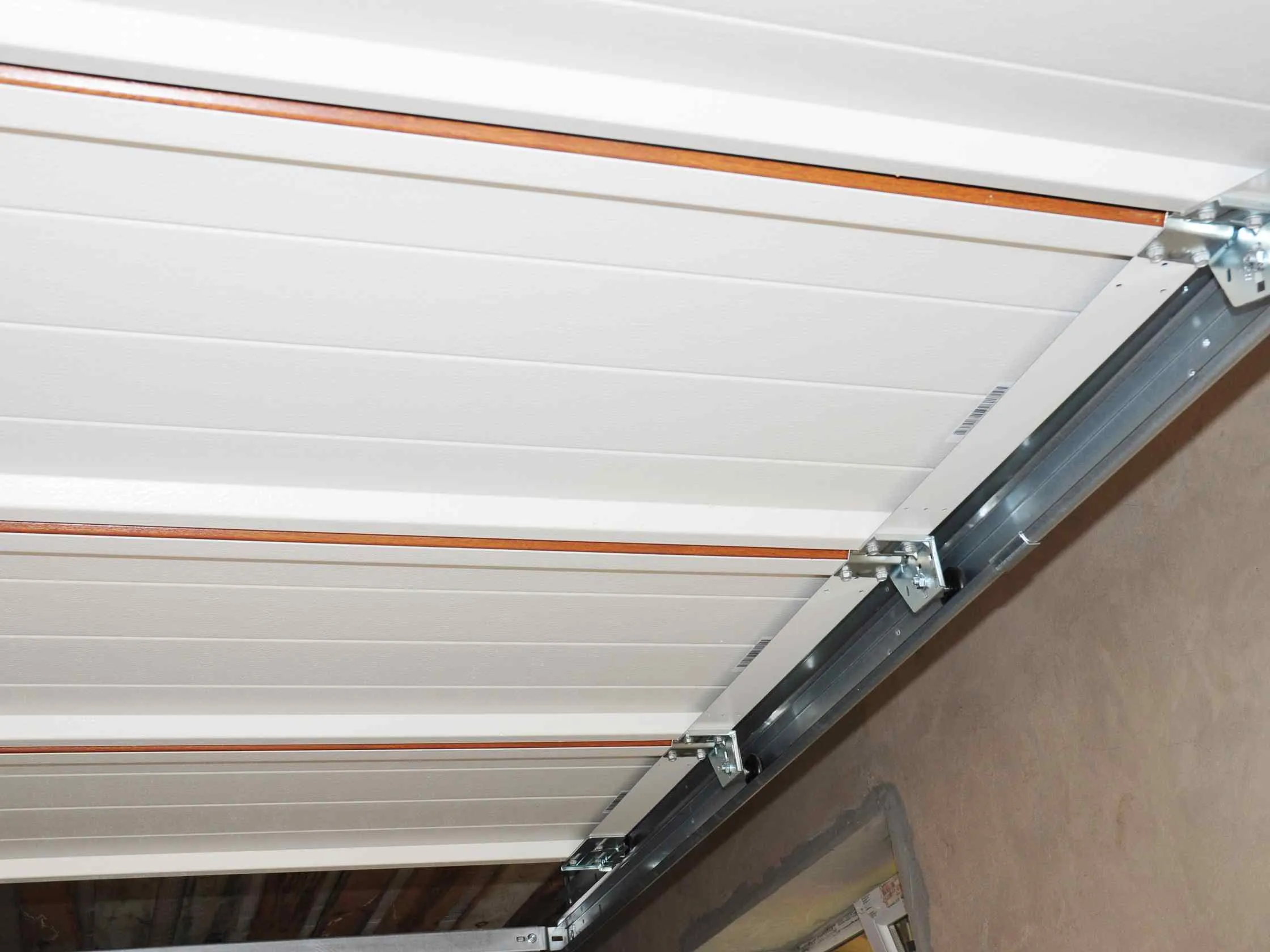
- What to inspect: Check the tracks for any signs of damage, bends, or debris buildup. Make sure the tracks are properly aligned and securely attached to the wall and ceiling. Look for any dents or misalignments that could prevent the door from sliding smoothly.
- Why it matters: Damaged or misaligned tracks can make the door difficult to open or close, and they can cause strain on the opener and rollers.
Cables:
- What to inspect: Inspect the cables for fraying, wear, or damage. The cables run along the sides of the door and are responsible for lifting and lowering the door along with the springs.
- Why it matters: Damaged cables can lead to the door becoming unbalanced or failing to open/close properly. If cables show signs of wear, they should be replaced immediately.
Garage Door Opener:
- What to inspect: Test the opener’s functionality by using the remote or wall-mounted button. Check the response time, ensure it operates smoothly, and listen for unusual sounds like grinding or excessive noise. Check the motor, chain, or belt for wear and lubrication needs.
- Why it matters: A malfunctioning opener can prevent the door from opening or closing properly. Regular inspection helps catch issues early before they require costly repairs.
Weatherstripping:
- What to inspect: Inspect the weatherstripping along the bottom of the door and around the edges. Look for any signs of wear, cracks, or detachment.
- Why it matters: Weatherstripping helps keep out drafts, dust, and moisture. Worn-out weatherstripping can lead to energy loss, water damage, and debris buildup inside the garage.
Safety Sensors (Photo-eye Sensors):
- What to inspect: Check the alignment of the photo-eye sensors, which are typically located near the floor on either side of the door. Ensure they are not obstructed by dirt or debris. Clean the lenses with a soft cloth. Test the sensors by placing an object in the door’s path to ensure the door reverses when it detects the obstruction.
- Why it matters: The photo-eye sensors are a safety feature that prevents the door from closing if something is in the way. Misaligned or obstructed sensors can cause the door to malfunction or fail to reverse when necessary.
Door Balance:
- What to inspect: Perform the 3-point balance test (disconnect the opener, manually lift the door, and check if it stays in place when halfway open). If the door moves up or down by itself, the springs may need adjustment.
- Why it matters: An unbalanced door puts excessive strain on the opener and other components, leading to premature wear and possibly dangerous malfunction.
Opener Chain or Belt (if applicable):
- What to inspect: For garage doors with chain or belt-driven openers, check the condition of the chain or belt for wear and tear. Lubricate it as needed to reduce noise and friction.
- Why it matters: A worn or loose chain/belt can affect the efficiency and noise level of the opener.
Fasteners and Hardware:
- What to inspect: Check all bolts, screws, and nuts on the door, tracks, and opener. Tighten any loose fasteners to ensure that the components are secure and working properly.
- Why it matters: Loose hardware can cause the door to misalign or malfunction, leading to potential safety issues.
General Cleanliness:
- What to inspect: Clean the door, tracks, and other components from dirt, debris, and grease. This helps maintain the door’s efficiency and prevents parts from getting clogged or corroded.
- Why it matters: Clean components operate more efficiently and are less likely to experience excessive wear or damage.
Current Promotions