Book Online
Repairs, Maintenance & ReplacementBroken Springs Repair
Restore your door’s smooth operation with professional spring replacement. When it comes to maintaining your garage door, one of the most crucial components to consider is the springs. Garage door spring replacement and repair service is essential for ensuring your garage door operates smoothly and safely.
Common Signs of a Broken Garage Door Spring
Is your garage door suddenly stuck or refusing to open properly? A broken spring is often the culprit, and it’s essential to address it immediately. Look out for these common signs:
- Door Won’t Open or Closes Abruptly: A broken spring can prevent your garage door from operating smoothly or leave it hanging dangerously.
- Loud Bang or Snapping Sound: If you hear a loud noise coming from your garage, it could be the spring snapping.
- Visible Gap in the Spring: If you notice a visible break or separation in the spring, it’s time to call a professional.
Ignoring these issues can lead to further damage or safety hazards, making it crucial to schedule a repair as soon as possible.

What is Involved in Garage Door Spring Replacement?
Garage door springs are integral components that support the entire weight of the door. They work by balancing the door’s weight, allowing it to open and close smoothly. When functioning properly, these springs store and release energy, helping the garage door opener operate efficiently.
There are two main types of garage door springs:
-
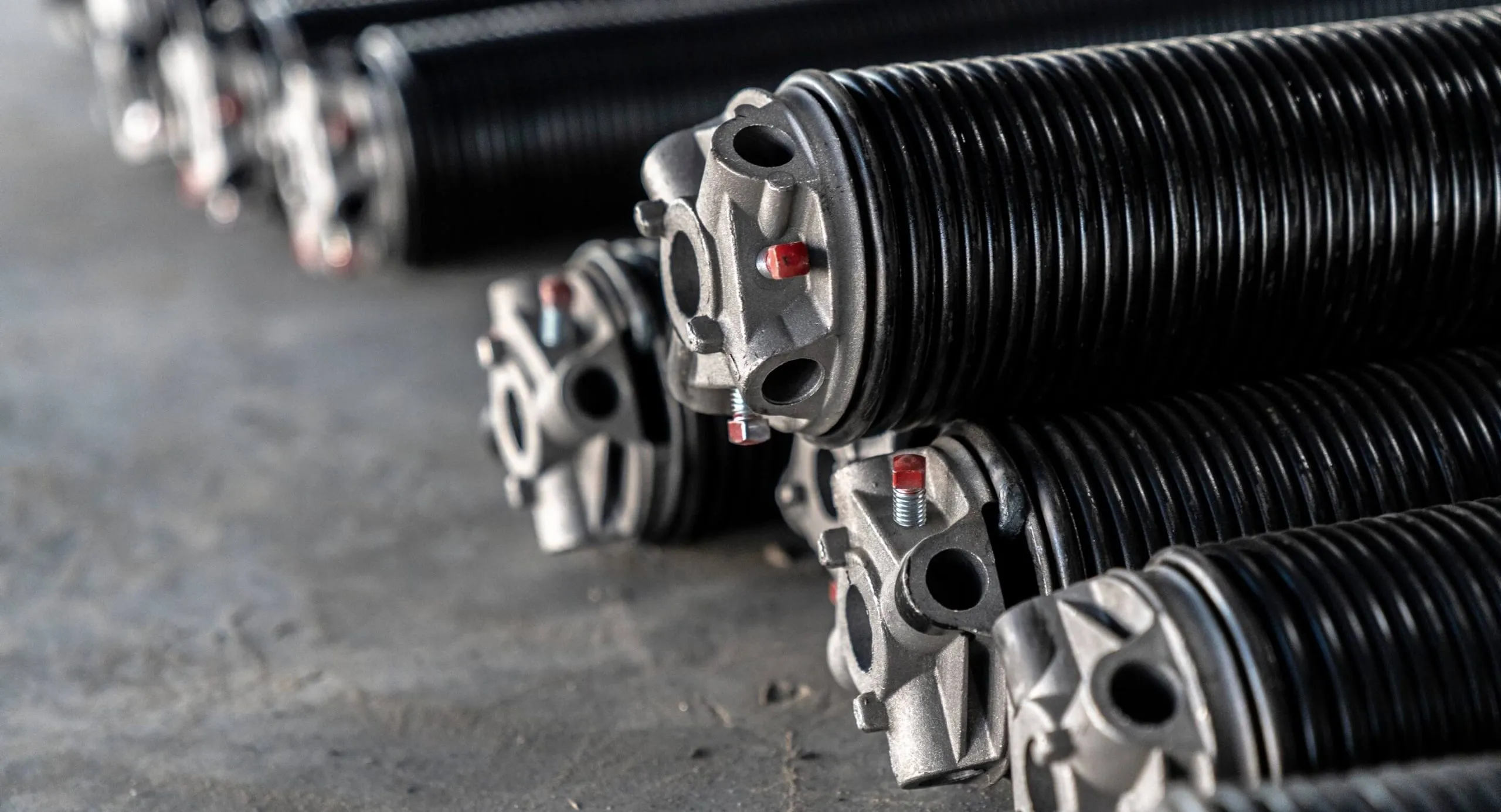
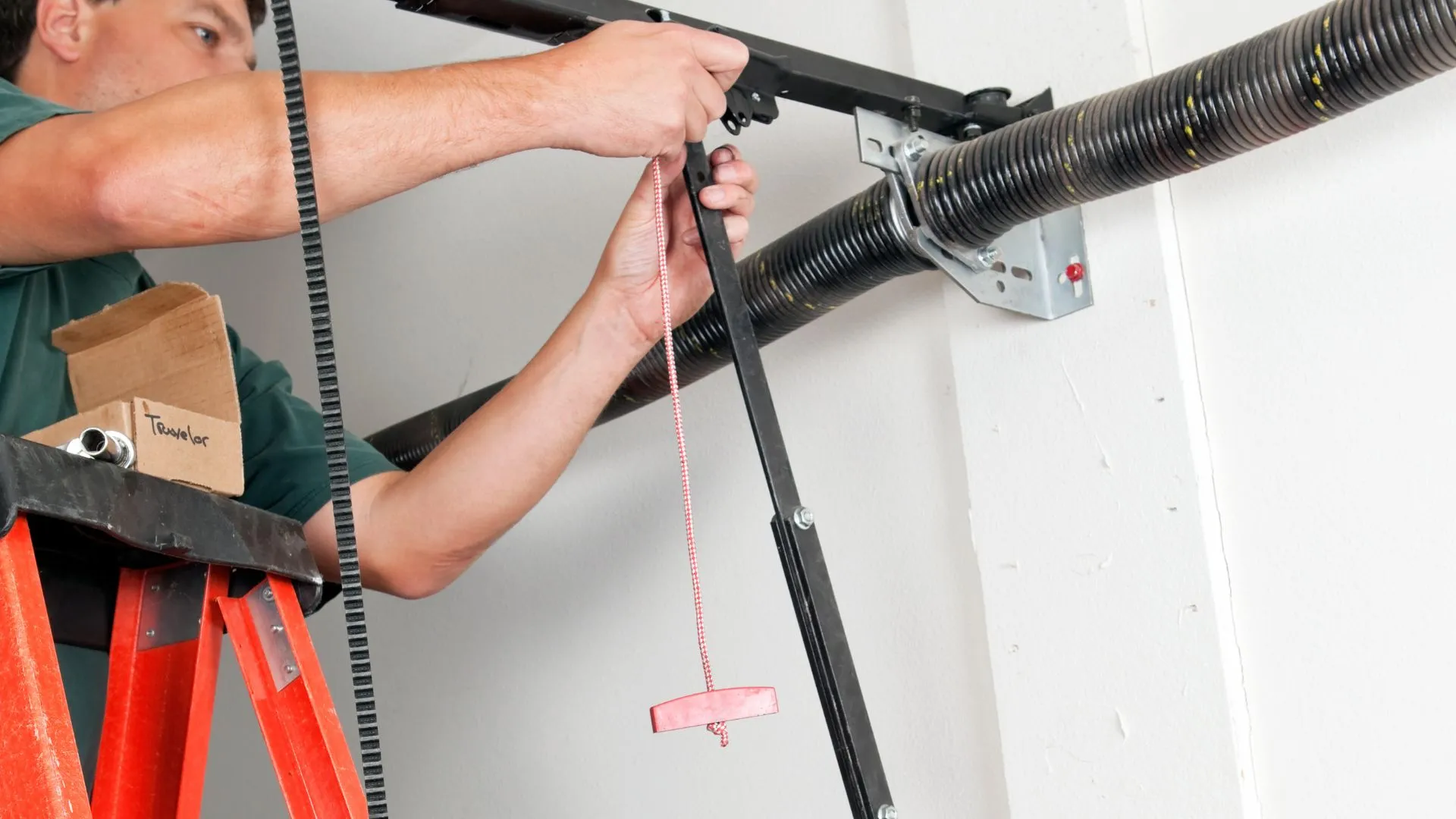
Torsion springs – Positioned above the garage door, these springs are tightly wound and unwind to help lift the door.
-
Extension springs – Located above the horizontal tracks, they stretch and contract to support the door’s movement.
Understanding how these springs function together is essential for maintaining the longevity of your garage door system. Regular inspections help catch signs of wear before they become serious problems. Neglecting maintenance can lead to sudden malfunctions or even total system failure. If a spring is damaged or worn, it’s important to schedule a repair right away to prevent further issues.
Types of Garage Door Springs
Torsion springs and extension springs each serve a distinct purpose in supporting the operation of a garage door.
-
Torsion springs are mounted on a metal shaft above the garage door. They are designed to counterbalance the weight of heavy sectional garage doors and are commonly used in modern systems for their efficiency and durability.
-
Extension springs are located on either side of the garage door. They stretch and contract as the door opens and closes and are often found in older or lighter door setups.
Understanding the difference between these two spring types is important when planning for garage door spring replacement or repair. The choice of spring depends on the door’s weight and overall design. Both types will wear out over time and eventually require replacement. Routine inspections can help detect early signs of fatigue or failure. Timely maintenance not only prevents sudden malfunctions but also extends the life of your garage door system.
When to Replace Garage Door Springs
Knowing when to replace garage door springs is crucial for both safety and proper function. Over time, springs wear out and can lead to serious issues if not addressed.
Several signs may indicate it’s time for a replacement:
-
The garage door doesn’t open or close properly
-
Springs show visible wear, such as rust, gaps, or stretching
-
You hear unusual noises, like loud squeaks or grinding sounds
-
You’re experiencing frequent garage door repairs
Regular maintenance helps identify these problems early and can prevent costly damage. Torsion springs generally last around 10,000 cycles (one full open-and-close counts as a cycle), while extension springs often have a shorter lifespan. If worn springs are left unchecked, they can cause the door to drop suddenly, creating a serious safety hazard.

Factors Influencing Garage Door Spring Replacement Cost
The cost of garage door spring replacement can vary based on several important factors:
-
Type of springs:
Torsion springs are typically more expensive than extension springs due to their durability and the specialized skills required for installation. Extension springs are usually more affordable but may need to be replaced more often.
-
Complexity of installation:
Larger doors, custom configurations, or systems with multiple springs can increase the overall cost. Garage doors requiring custom or non-standard parts will also add to the price.
-
Geographical location:
Costs can vary depending on your region and the local rates for labor and materials.
-
Labor costs:
Hiring a professional garage door technician ensures safe and proper installation. DIY replacement is not recommended, as it can result in injury or further system damage.
Understanding these cost factors helps you budget appropriately and ensures your garage door stays safe, reliable, and functional for years to come.
How to Check Your Garage Door Springs
Regularly checking your garage door springs can help you spot issues early and avoid costly repairs. During an inspection, keep the following in mind:
-
Test the door manually: Disconnect the opener and lift the door by hand. If it feels unusually heavy, this could indicate a spring problem.
-
Inspect the springs visually: Look for rust, corrosion, gaps, or visible stretching. These signs may mean the springs need adjustment or replacement.
-
Listen for unusual sounds: Loud banging, snapping, or grinding noises during operation suggest the springs are under stress and may be close to failing.
-
Prioritize safety: Garage door springs are under high tension and can be dangerous if mishandled. Always be cautious and avoid DIY repairs unless you’re properly trained.
If you’re unsure about what you find during the inspection, it’s best to contact a professional garage door service for a full evaluation and any necessary repairs.
The Importance of Timely Garage Door Spring Repair
Timely garage door spring repair is essential for maintaining the safety, efficiency, and longevity of your garage door system. Here’s why it matters:
-
Safety first: Worn or broken springs can cause the door to operate unpredictably, increasing the risk of accidents or property damage. Prompt repairs help prevent sudden door failures.
-
Extend your door’s lifespan: Fixing spring issues early reduces strain on other parts of the system and helps you avoid costly repairs later on.
-
Enhance energy efficiency: A properly functioning garage door minimizes air leaks, helping regulate temperature in the garage and improving your home’s overall energy efficiency.
-
Spot other issues early: Regular spring inspections can reveal additional problems with cables, tracks, or the opener before they become major issues.
Investing in routine maintenance and timely repairs offers peace of mind and ensures your garage door continues to operate safely and reliably for years to come.

How Do Garage Door Springs Work?
Torsion springs play a vital role in the safe and efficient operation of your garage door system. Here’s how they work and why they’re important:
-
How they function: Located above the garage door on a metal shaft, torsion springs are tightly coiled to store energy. When the opener activates, they unwind and release that energy to help lift the door. They also help control the descent, preventing the door from dropping suddenly.
-
Advantages: Torsion springs typically offer a longer lifespan than extension springs. They provide more controlled, balanced movement and are ideal for heavier or modern sectional doors.
-
Proper installation is critical: These springs must be precisely adjusted to evenly distribute the door’s weight. Misalignment or poor adjustment can cause the door to operate unevenly or fail altogether.
-
Regular maintenance matters: Keeping torsion springs in good condition ensures safe, efficient operation. It also extends the life of the overall system and promotes smooth, quiet door movement over time.
What Happens When Springs Get Worn Out?
Worn or broken garage door springs can lead to serious functional and safety problems. Here’s what to watch for and why proactive maintenance is essential:
-
Operational issues: The garage door may become difficult to lift manually, drop suddenly, or close unevenly. You might also notice erratic or sluggish movement, and the added strain on the opener can lead to early failure of other components.
-
Safety hazards: A snapped spring can cause the door to crash down without warning. The door may get stuck, blocking access, and in non-contained systems, broken spring fragments can cause injury or property damage.
-
Importance of maintenance: Timely spring replacement helps prevent dangerous malfunctions. Routine inspections catch signs of wear early, extend the lifespan of your garage door, and keep the system operating reliably and safely.
How to Ensure Long-Lasting Garage Door Springs
Ensuring long-lasting garage door springs starts with consistent care and preventive maintenance. Homeowners can help extend the life of their springs by following these tips:
-
Perform regular inspections: Look for signs of wear, rust, or tension loss. Pay attention to unusual noises or changes in how the door operates.
-
Lubricate moving parts: Use a silicone-based or garage door-specific lubricant on springs, rollers, hinges, and tracks to reduce friction and prevent corrosion.
-
Understand your system’s requirements: Know the correct tension settings for your specific door. Follow the manufacturer’s guidelines or consult a professional for adjustments.
-
Monitor usage frequency: High-traffic garages wear out springs more quickly. If your door is used multiple times daily, schedule professional inspections more frequently.
-
Promote safety and efficiency: Proper spring maintenance improves performance, enhances safety, and helps avoid unexpected, costly repairs.
Current Promotions