Book Online
Repairs, Maintenance & ReplacementRoller Repair & Replacement
Garage door rollers play a crucial role in the functionality of your garage door system. They ensure that the door opens and closes smoothly, providing convenience and security for your home.
What Are Garage Door Rollers?
Garage door rollers are essential components that allow your garage door to move up and down smoothly. Mounted on tracks, these rollers help guide the door during operation, ensuring safe and efficient movement.
Key characteristics of garage door rollers:
-
Mounted on tracks to guide the door’s motion
-
Made from materials like nylon or steel
-
Support smooth opening and closing
-
Must be in good condition to prevent misalignment
-
Influence both safety and performance of the door system
Without functioning rollers:
-
The door may become misaligned
-
Friction can cause premature wear and tear
-
Regular maintenance helps prevent costly damage
Types of Garage Door Rollers: Nylon vs. Steel
Nylon garage door rollers:
-
Quiet operation
-
Rust-resistant
-
Ideal for residential use
-
Typically require more frequent replacement
Steel garage door rollers:
-
Highly durable and strong
-
May include ball bearings for smoother function
-
Can be noisy
-
Suitable for heavy or high-traffic garage doors
Considerations when choosing between nylon and steel:
-
Usage frequency (light vs. heavy use)
-
Desire for quiet vs. long-lasting durability
-
Climate and maintenance commitment
-
Compatibility with your current system

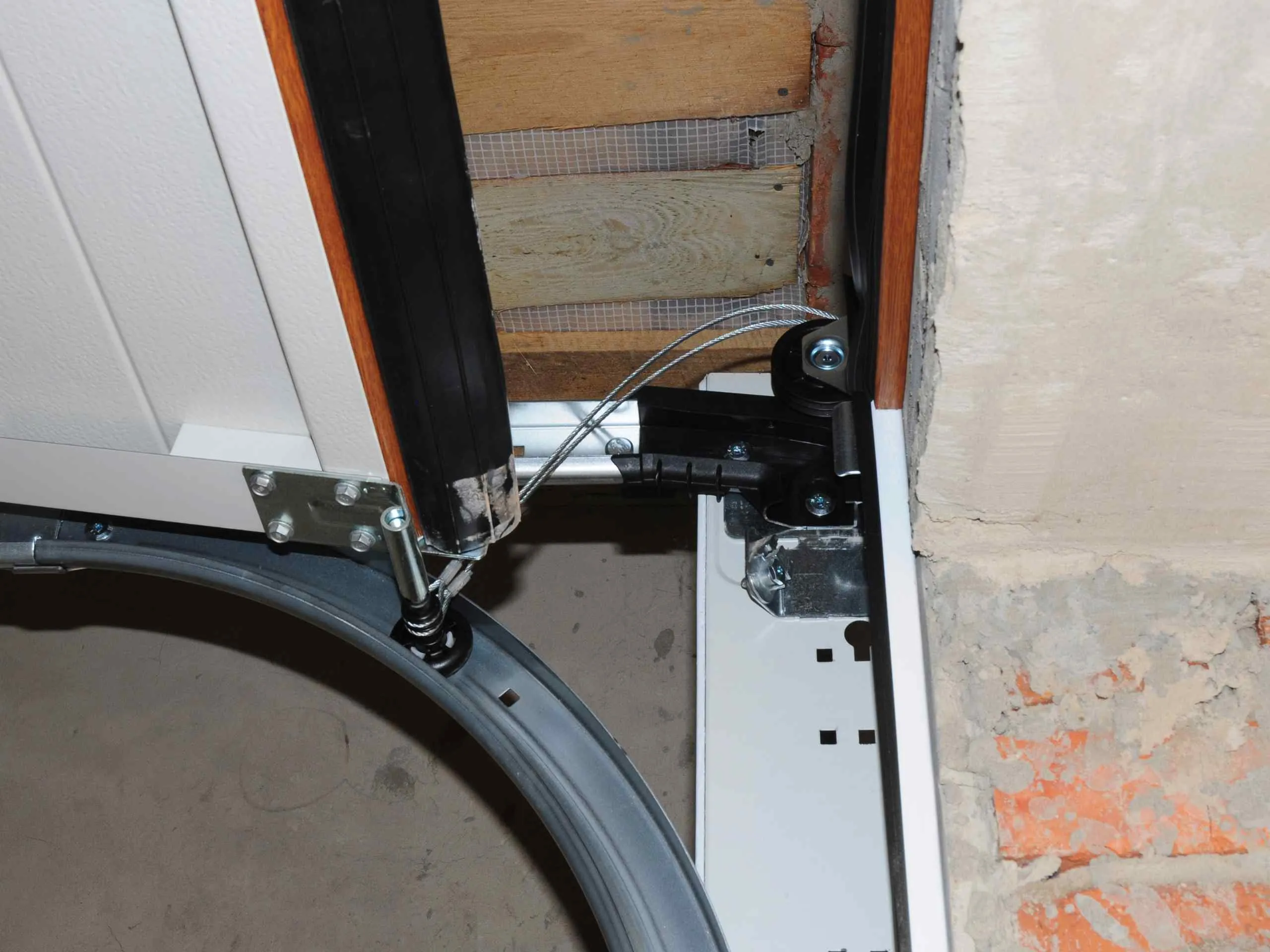
Identifying Garage Door Roller Parts
Main parts of a garage door roller:
-
Roller body: Varies in diameter depending on door type
-
Stem: Connects the roller to the door
-
Ball bearings (if present): Enable smooth, long-lasting rotation
-
Bottom rollers: Help secure the door when closed
Understanding these parts can help diagnose wear and improve maintenance.
When Should You Replace Garage Door Rollers?
Signs it’s time to replace your rollers:
-
Loud grinding, squeaking, or banging sounds
-
Door sticks or doesn’t move smoothly
-
Visible rust, cracks, or deformities
-
Roller misalignment causing the door to tilt or bind
-
Gaps between the door and the frame
Regular inspections help catch these signs early and avoid major system failures.
How Often Should Garage Door Rollers Be Replaced?
Typical replacement timelines:
-
Nylon rollers: Every 5–7 years
-
Steel rollers with ball bearings: Every 10+ years if well-maintained
Factors that influence lifespan:
-
Weather exposure
-
Frequency of use
-
Quality of previous maintenance
-
Roller material and load capacity
Best practices:
-
Inspect rollers at least once a year
-
Replace immediately if signs of wear appear
-
Maintain a seasonal maintenance routine

Impact of Worn Rollers on Your Garage Door System
Potential problems caused by worn rollers:
-
Door misalignment
-
Extra strain on the garage door opener
-
Resistance and sluggish operation
-
Safety hazards and accidental door drops
-
Escalating damage to door panels and tracks
Long-term consequences:
-
Increased repair costs
-
Premature component failure
-
Possible need for full door replacement
Maintaining roller condition protects the entire garage door system.
Can You Repair Garage Door Rollers?
Situations where repair may be possible:
-
Minor wear or surface noise
-
Dirty or dry rollers needing lubrication
-
Faulty ball bearings that can be replaced
-
Roller tension that can be adjusted
When repair is not ideal:
-
Cracked, warped, or heavily corroded rollers
-
Roller stems that have bent or dislodged
-
Repeated problems even after adjustments
Always evaluate the cost-benefit of repair vs. replacement.
When to Seek Professional Garage Door Repair
Call a professional when:
-
DIY efforts fail to resolve the issue
-
The door is misaligned or doesn’t open/close properly
-
You hear loud or unusual noises during operation
-
You’re unfamiliar with garage door parts and tools
-
The repair involves multiple or complex components
Benefits of professional service:
-
Accurate diagnosis and efficient repair
-
Access to high-quality replacement parts
-
Safe handling of heavy or hazardous components
-
Extended life of your entire door system
What is Involved in Garage Door Roller Replacement?
Step-by-step replacement process:
-
Initial inspection of rollers and tracks
-
Disassembly of garage door section to access rollers
-
Removal of old rollers and cleaning of tracks
-
Installation of new rollers in proper alignment
-
Testing door operation for smooth movement
-
Final adjustments to ensure secure fitting
Important considerations:
-
Requires familiarity with your garage door system
-
Involves careful handling to avoid injury
-
May vary depending on door type and roller design
Maintenance Tips for Garage Door Rollers
How to Keep Your Garage Door Rollers Working Smoothly
Essential maintenance steps:
-
Use silicone-based lubricant (avoid WD-40)
-
Clean rollers and tracks regularly
-
Inspect rollers, brackets, and hinges for rust or damage
-
Tighten loose screws and bolts
Establish a maintenance routine:
-
Perform checks quarterly or biannually
-
Include visual inspections and lubrication
-
Address any minor issues before they escalate

Regular Checks and Maintenance Procedures
Maintenance checklist:
-
Examine roller movement along tracks
-
Check for noise, resistance, or unusual friction
-
Clean tracks to remove buildup or debris
-
Lubricate rollers with garage door-safe lubricant
-
Inspect hardware and tighten connections
-
Look for rust, cracks, or worn components
Consistent care improves performance and prevents costly repairs over time.
Current Promotions